Harmful sexual  behaviours program of work
The following guides and resources have been created by the Australian Centre for Child Protection to address the growing issue of harmful sexual behaviours among children and young people, with a focus on enhancing safety and wellbeing.
They aim to assist at various levels, guiding practitioners in responding to behaviours, and providing educational tools to enhance the knowledge and skills of carers who support children and young people at risk of developing or experiencing harmful sexual behaviours.
The rise of harmful sexual behaviours
Like other areas of development such as motor skills and language, the development of sexual and gender identity begins from birth and continues through childhood and adolescence. Children learn through appropriate, natural, and adaptive sexualised behaviour or play and exploration.
Children may also display behaviour and play that is not developmentally typical or appropriate, and over recent years the sector has witnessed a rapid expansion in the issue of harmful sexual behaviours, alongside a rapid rise in online engagement and exposure to sexual content including sexual violence.
“Harmful sexual behaviours are sexual behaviours displayed by children and young people that fall outside what may be considered developmentally, socially, and culturally expected, may cause harm to themselves or others, and occur either face to face and/or via technology. When these behaviours involve another child or young person, they may include a lack of consent, reciprocity, and mutuality, and may involve the use of coercion, force, or misuse of power.” (working definition of the National Office for Child Safety)
Harmful sexual behaviours were highlighted as a significant concern in the Royal Commission into Institutional Responses to Child Sexual Abuse (2017), leading to inclusion in the National Strategy (2021-2030) and the development of the National Harmful Sexual Behaviours Clinical Reference Group (2022).
Training for Understanding Harmful Sexual Behaviours
A suite of evidence‑informed resources and our training course designed to build confidence and capability of carers and professionals supporting children and young people at risk of harmful sexual behaviours.
Response Mapping Tools
A process for recognising, documenting and responding to harmful sexual behaviours in care, supporting both child safety and professional confidence in managing complex behaviours.
Layered Continuum Practice Guide
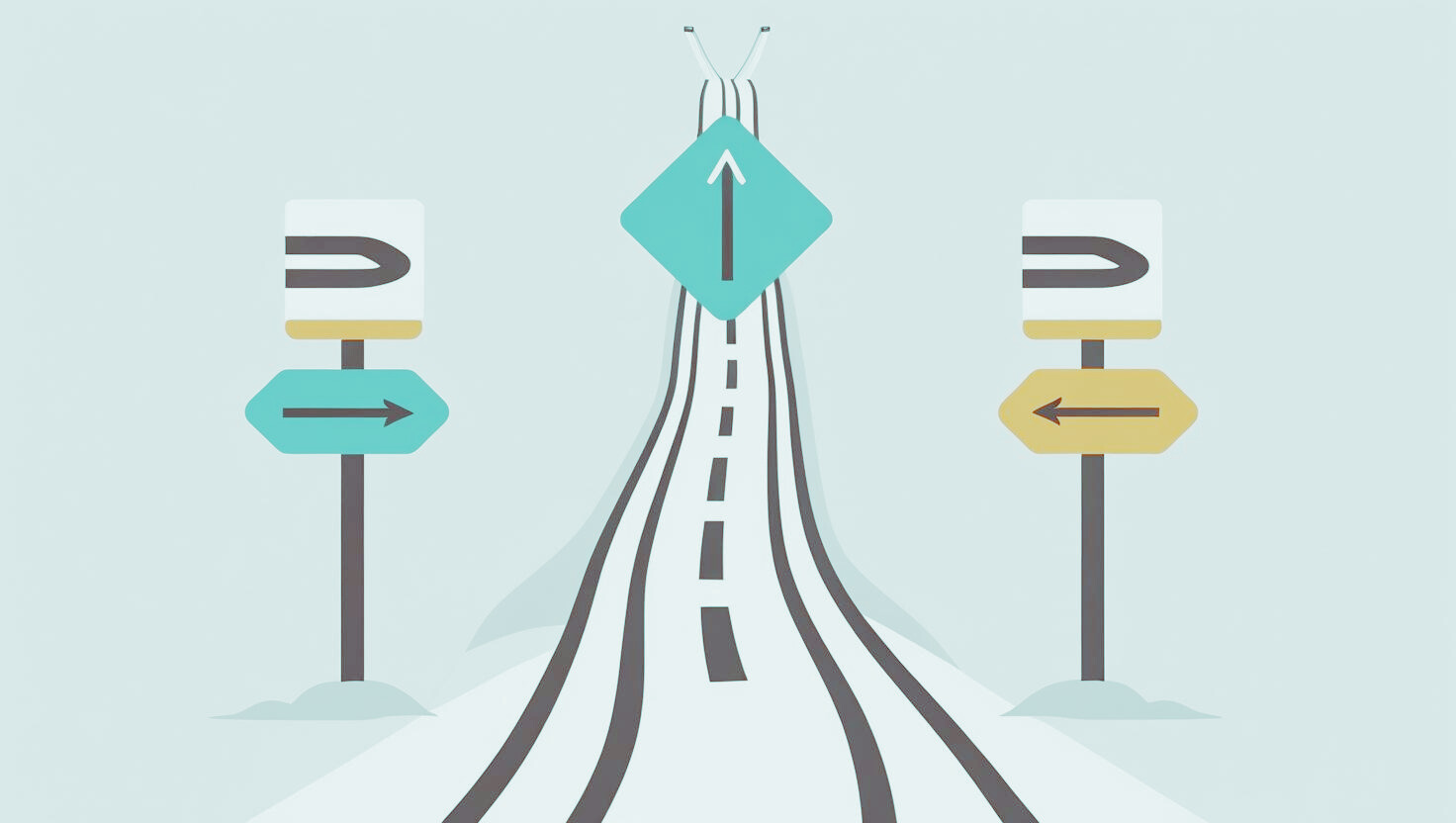
An evidence-informed and practice-based Practice Guide (updated 2025) describing how sexual behaviours can be understood and reviewed for level of concern and required response.

Resources from the harmful sexual behaviours program of work
-
Guide for placement considerations and tool for children and young people who have displayed harmful sexual behaviours
These placement guidelines outline a set of placement principles and considerations designed to guide decisions and support planning for children and young people who have displayed harmful sexual behaviour in care settings. Developed to ensure safe, trauma-informed, and developmentally appropriate placements, the document emphasises a strengths-based, individualised, and culturally responsive approach to care.
The principles aim to balance the safety and wellbeing of all children in the placement while recognising the unique needs of each child and young person. Key considerations include developmental appropriateness, safety planning, family and community connection, collaborative care teams, and avoiding unnecessary placement disruptions. These considerations have been developed into a Support Tool which can be used by practitioners to guide their exploration of placement options and consider what additional supports may be required when placing a child or young person who has displayed harmful sexual behaviours, particularly where the placement may not be an ideal match.
Practice Guide: Care Arrangement Considerations
Practice Guide: Placement Considerations and Planning Support Tool
Word Editable version: Placement Considerations and Planning Support Tool
-
Layered therapeutic assessment and treatment mapping approach for harmful sexual behaviours
This practice guide presents the Layered Therapeutic Assessment and Treatment Mapping Approach for understanding and responding to harmful sexual behaviours displayed by children and young people. Developed for frontline practitioners, it provides a structured, trauma-informed framework that incorporates five key layers of assessment, covering developmental, contextual, and behavioural factors, to guide case formulation and treatment planning. The guide emphasises a holistic and culturally sensitive approach, encouraging the use of therapeutic relationships, comprehensive information gathering, and flexible, tailored interventions. It aims to support accurate assessment, enhance safety, and improve therapeutic outcomes for children and young people who have displayed harmful sexual behaviours.
Practice Guide: Layered Therapeutic Assessment and Treatment Mapping Approach
-
Framework for understanding and guiding responses to harmful sexual behaviours in children and young people
Funded by the Department of Communities WA
Developed with consultation across the Department of Communities WA, the Framework demonstrates the expert operationalisation and conceptualisation of core concepts related to harmful sexual behaviours and the current models including frequency, persistency, consent, and contexts.
The Framework organises its guidance across four pillars:
-
Shared knowledge
-
Continuum for understanding
-
Progressive responses
-
Principles of practice
-
-
Pilot program for a specialist harmful sexual behaviours service
Funded by Department of Communities WA
In progress
ACCP is undertaking a co-design process, drawing on service models, literature on evidence-based assessment and treatment models, and ACCP's own team's practice expertise to develop a specialist service for responding to harmful sexual behaviours, to be delivered in the south metropolitan area in WA.
-
Therapeutic models of residential care
This special review included an externally published rapid review and jurisdictional scan of evidence-based therapeutic care models for residential care, with additional consideration for children and young people who have displayed HSB and for Aboriginal and Torres Strait Islander children.
-
Key elements to consider when choosing an assessment tool for understanding risk related to harmful sexual behaviours
This practice paper critically examines the challenge of selecting a fit-for-purpose tool to assess for and contribute to understanding of risk for children and young people who have displayed harmful sexual behaviours. Given the enormity of the impact of these behaviours, and the currently estimated prevalence, this area of practice continues to expand and evolve. However, practitioners and front-line workers often find themselves feeling ill prepared to make thorough assessments of risk of harm, not only to the child or young person displaying the behaviour but to other children.
When assessing risk and complex behavioural or mental health concerns we often turn to structured tools or protocols to guide and inform our thinking and ultimately decision making. The area of understanding risk in harmful sexual behaviours is no different. Blending practice-based wisdom and evidence-based literature, six key elements have been identified to help guide practitioners to select the right fit-for-purpose tool to support assessment of children and young people who have displayed harmful sexual behaviours. These elements aim to provide guidance to practitioners to inform decision making about tool selection, ensuring that tools are fit-for-purpose, particularly when considering the application within the complex out of home care context, and with children and young people.
-
Harmful sexual behaviour assessment tools for use in Australian out-of-home care contexts: A scoping review
This scoping review, conducted by the ACCP, examined existing tools used to assess harmful sexual behaviours in children and young people, with a focus on their suitability for use in Australian OOHC settings. The review identified 29 assessment tools but found none fully appropriate for the Australian OOHC context without adaptation. Four tools showed promise but would require further evaluation and modification.
The review highlights significant gaps, particularly regarding cultural sensitivity for Aboriginal and Torres Strait Islander children, consideration of diverse abilities, and the inclusion of both online and offline behaviours. It stresses the need for trauma-informed, culturally safe, and developmentally appropriate tools, as well as the importance of critically evaluating tools before implementation to avoid harmful outcomes. Overall, it underscores the urgent need to develop or adapt harmful sexual behaviours assessment tools specifically for the Australian OOHC context.
-
Enhancing safety for children and young people living in out-of-home care impacted by harmful sexual behaviours
Harmful sexual behaviour is associated with significant risks and adverse pervasive impacts for children and young people. For children and young people who have displayed harmful sexual behaviours, enhancing safety in the short-term and long-term and promoting wellbeing is critical. However, while there is extensive knowledge regarding risk assessments and safety management within the child protection space, there is a paucity of guidance about creating intricate and in-depth safety plans, especially in the out of home care context. As such, the aim of this scoping review was to inform the development of safety plans, both short-term and long-term, within the out of home care context. A systematic search consisting of 16 papers and practice/policy guides was undertaken and identified three main themes: enhancing acute short-term safety, enhancing long-term safety and building strengths, and principles/processes to consider.
This review provides a glance into the myriad of factors to consider in both short and long-term safety plans such as interpersonal relationships, cultural connection, social media, and placement dynamics. The results pinpoint the need for safety planning to be collaborative and advocates for children and young people to be involved. Whilst this scoping review highlights the factors and processes to consider in safety planning around harmful sexual behaviours, it sheds light on the need to consider not only the child or young person but the contexts and systems around them. Future research is needed to evaluate the effectiveness of safety plans and associated processes that can promote wellbeing.
The Harmful Sexual Behaviours Solutions Project (2021-2025) was funded by the Western Australian Department of Communities, with contribution from the South Australian Department for Child Protection
HISTORY: The Royal Commission into Institutional Responses to Child Sexual Abuse (Royal Commission) that concluded in 2017 highlighted harmful sexual behaviours as a significant concern, dedicating an entire volume to guide the country’s response to better understand and respond to this ongoing concern. The Royal Commission defined ‘children with harmful sexual behaviours’ as children and young people under 18 years of age who have sexual behaviours that fall outside the range typically accepted as normal for a child/young person’s age and level of development. The term ‘harmful sexual behaviours’ recognises the seriousness of these behaviours together with the significant impact they can have on children and young people who have been affected.
Following the Royal Commission, Western Australia set up a division in Department of Communities and invested heavily, including significant funds for recommendations related to harmful sexual behaviour, which included research, practice solutions and policy changes, particularly in the area of out-of-home care and therapeutic responses and advocacy for children and young people.
They partnered with the ACCP to create a new program of work focused on research and research translation activities to improve responses to harmful sexual behaviours. The four-year program of work attracted a $2m investment from the Western Australian Department of Communities, to focus on responses for the WA context.
The South Australian Department for Child Protection have also provided a $500k grant to support and enable this program of work to improve South Australian responses to harmful sexual behaviours in children and young people. These aligned grants and programs of work maximise cost effectiveness, learnings, outputs and impacts across the projects and provide mutual benefits.
The Project included a several strands of activity, each comprising of one or more key areas of priority for the Department of Communities and/or the broader Western Australian government. The outcomes from the ACCP’s program of work across each of the project areas informs the Western Australian Government’s policy and practice responses, approaches and frameworks.
Activities undertaken as part of this grant contribute to outcomes in the Western Australian response to the recommendations of the Royal Commission.