European Barnahus Evaluation Framework Project
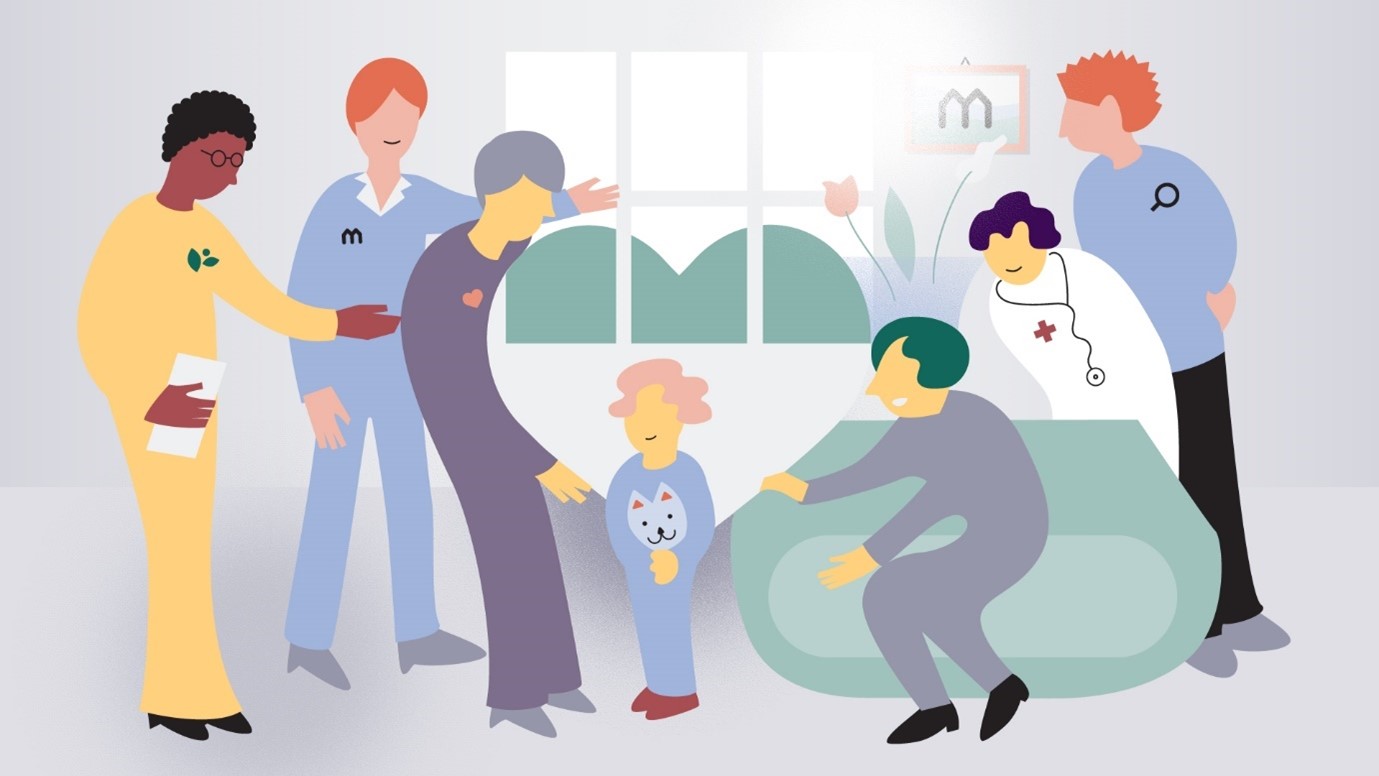 Every child has the right to justice, protection, and recovery from the effects of abuse, delivered through a holistic and child-centred environment.
The European Barnahus Evaluation Framework Project is a European-wide initiative to develop and test a common evaluation framework that is sensitive and adaptable to the diverse implementations of the Barnahus model across Europe. Led by the Australian Centre for Child Protection (ACCP) alongside international university partners, and made possible by Oak Foundation, the project aims to define and measure impact and quality across diverse national contexts.
The project runs from 2025 – 2028 with an aim to:
-
- Develop and consult on a comprehensive and adaptable evaluation framework for the European Barnahus.
- Undertake research with children with experience of the Barnahus to better understand what they consider to be the most important outcomes.
- Undertake research into the measurement of collaboration quality.
- Pilot the draft evaluation framework across Europe and begin collecting evidence of the quality and effectiveness of the Barnahus approach.
The European Barnahus Evaluation Framework Project is a collaboration between:
Adelaide University - Australian Centre for Child Protection: Associate Professor James Herbert; Dr Rachael Tindal
The University of Edinburgh - School of Social and Political Science: Dr Mary Mitchell; Kate Sewell
University of Bedfordshire - Safer Young Lives Research Centre: Associate Professor Camille Warrington
Universität Hildesheim - Institut für Sozial- und Organisationspädagogik (Institute for Social and Organizational Pedagogy): Professor Silvie Bovarnick
The project is also supported by the Barnahus Network:
The Barnahus Network plays a convening role in the Barnahus Evaluation project, facilitating international exchange and supporting dissemination. The Barnahus Network will support the pilot of the evaluation framework, and promote its uptake across Barnahus. In parallel, the Network is developing a practical tool to operationalise the framework in close collaboration with Bonigi. The project forms an important element of the Barnahus Network continuous review of the Barnahus Quality Standards based on emerging evidence, research and promising practice. The Barnahus Network convenes a Scientific Committee, which gathers international experts who provide feedback and advice on the direction, methodology and findings of the project.
-
Reports, Articles and Reviews
Child Outcomes Review: Children’s Experiences of Barnahus and Related Services
Published: March 2026
Authors: Assoc Prof James Herbert, Dr Rachael Tindal, Dr Mary Mitchell, Assoc Prof Camille Warrington, Prof Silvie Bovarnick.
Overview: This report provides an evidence-based framework derived from a comprehensive qualitative synthesis of 51 international studies, focusing on the lived experiences of children and young people engaging with child protection and justice systems. The review shifts the focus from procedural metrics to experiential outcomes, identifying five primary domains that define a quality service from a child's perspective:
- The Professional Relationship (Trust, Respect & Validation)
- Empowerment and Participation (Voice, Choice & Information)
- Safety and Security (Physical, Environmental & Emotional)
- Holistic Wellbeing and Recovery (Trauma-Informed Support)
- Systemic Efficacy (Coordination and Responsiveness)
CLICK HERE TO READ CHILD OUTCOMES REVIEW
Centering the Child's Experience: A Synthesis of Evidence for Measuring Outcomes in Barnahus (Journal Article)
Published: Under Review
Authors: Assoc Prof James Herbert, Dr Rachael Tindal, Dr Mary Mitchell, Assoc Prof Camille Warrington, Prof Silvie Bovarnick.
Collaboration Quality Review: Approaches to Measure Collaboration Quality in the Context of Barnahus
Published: December 2025
Authors: Assoc Prof James Herbert, Dr Rachael Tindal, Dr Mary Mitchell, Assoc Prof Camille Warrington, Prof Silvie Bovarnick.
Overview: This rapid review of 38 international studies unpacks the complexities of collaboration quality within multi-agency responses to child abuse. It identifies six primary domains that define collaboration quality: Relational Foundations, Cognitive Foundations, Structural Frameworks, Communication, Active Processes, and Systemic Enablers. Additionally, the report reviews 13 existing measurement tools and proposes a composite measure to comprehensively assess internal team dynamics and external systemic enablers.
CLICK HERE TO READ COLLABORATION QUALITY REVIEW
Measuring Collaboration Quality in the Context of Barnahus/CACs: A Thematic and Measure Review
Published: Under Review
Authors: Assoc Prof James Herbert, Dr Rachael Tindal, Dr Mary Mitchell, Assoc Prof Camille Warrington, Prof Silvie Bovarnick.
-
What is a Barnahus?
The Barnahus (Children’s House) is a multi-disciplinary model originating in Iceland, designed to coordinate the parallel criminal justice, child protection, medical, and therapeutic responses to child abuse under one roof. By centralising these services, the model aims to provide a holistic, child-centred environment that mitigates the risk of re-traumatisation and secondary victimisation often caused by a fragmented service delivery.
The "Four Rooms" Approach
The Barnahus model operationalises the concept of the "four rooms", which represent the essential pillars of a comprehensive response to child abuse:
- Justice: Criminal investigation and forensic interviewing
- Welfare/Child Protection: Risk assessment, safeguarding, and family support
- Health: Medical examinations for forensic evidence and physical wellbeing
- Recovery: Therapeutic and mental health support for the child and family
By bringing these disciplines together, the model aims to eliminate the need for children to travel between multiple providers and repeatedly disclose their traumatic experiences to different professionals.
Core Philosophy and Standards
The foundation of the Barnahus is deeply grounded in the United Nations Convention on the Rights of the Child (UNCRC), ensuring that the child's right to justice, protection, and recovery is upheld. The model is further guided by the Barnahus Quality Standards, which establish a unified operational framework of ten standards setting out common principles and aspirations for centres across Europe.
Variations in Implementation Across Europe
While the Barnahus model is unified by a commitment to coordinating systems and preventing siloed responses, its actual implementation varies significantly across different European jurisdictions based on local legal frameworks, statutory authority, and governance structures.
- Sweden: Operates a decentralised approach through local collaboration agreements. Barnahus models, such as the one in Linköping, often function as healthcare-led units that coordinate multi-disciplinary consultation meetings and provide integrated crisis support.
- Finland: The equivalents to Barnahus are Forensic Psychology and Psychiatry Units located within university hospitals. Rather than focusing on a broader welfare response, these units have a distinct legislated role in assessing the reliability of evidence for police and prosecutors during pre-trial investigations.
- Estonia: The Barnahus (Lastemaja) operates as a mandatory national public service governed by the Child Protection Act. It acts as a central hub where local child protection specialists have a statutory obligation to refer specific cases of suspected abuse.
- Poland: The Warsaw Barnahus is led by a Non-Governmental Organisation (the Empowering Children Foundation). Operating without explicit statutory enabling legislation, it relies on voluntary cooperation with judges and places a strong emphasis on providing comprehensive in-house therapeutic care and legal advocacy.
This diversity highlights why a flexible, common European Barnahus Evaluation Framework is essential to accurately measure the impact and quality of the Barnahus model across varying national contexts.
-
What is the Barnahus Evaluation Project?
The overarching goal of the European Barnahus Evaluation Project is to develop and test a common evaluation framework that is sensitive and adaptable to the diverse contexts and varying implementations of the Barnahus model across Europe. Multi-agency responses like Barnahus are complex interventions that interact differently with local systems and legislation, and establishing a high-level theory of change is essential to facilitate a shared evidence base and enhance comparability across different nations.
Drawing from the sources, the project specifically aims to:
- Centre the Child's Experience: Shift the evaluation focus from traditional procedural outputs (like the number of interviews) to experiential outcomes, ensuring that children's subjective experiences, safety, and priorities are at the heart of how we measure a successful response to abuse.
- Measure Collaboration Quality: Identify the underlying domains that make up effective collaboration in a multi-agency response and review existing instruments to effectively gauge these system-level dynamics across different settings.
- Establish Ethical Feedback Mechanisms: Develop and test ethical, trauma-informed, and adaptive participatory methods for routinely gathering feedback from children to drive continuous service improvement.
- Map System Variations: Systematically document the differences in governance, statutory authority, and service delivery across European Barnahus models to understand how these structural variations alter the causal pathways to improved outcomes for children and families.
Who Is Involved
This major international initiative is supported by Oak Foundation and is led by the Australian Centre for Child Protection (ACCP). The core research team represents a collaboration across several leading international institutions, including researchers from the University of Edinburgh, the University of Bedfordshire, and Universität Hildesheim.
Beyond the core academic team, the project is highly collaborative and involves:
- The Barnahus Network and Country Experts: We work closely with directors, clinical leads, and country experts from across Europe who provide vital current insights and critical reviews of their local Barnahus operations and legal frameworks.
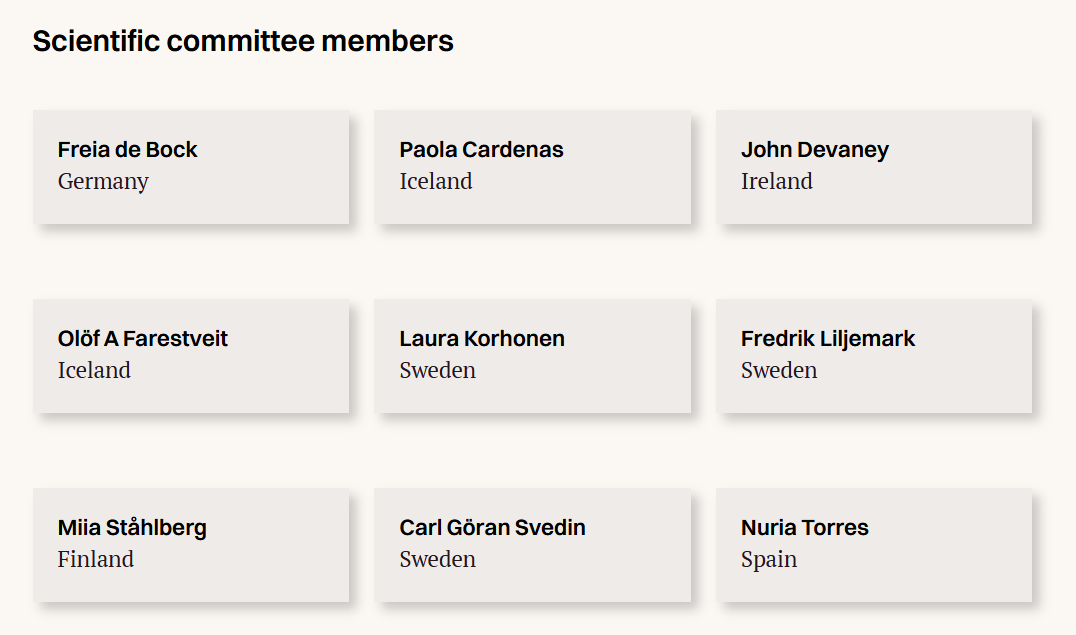
- Scientific Committee: The committee is a group of international experts who provide ongoing feedback and advice on the project. The group is gathered around twice a year to advice on methodology or practical considerations for the project.
-
Project Updates
Project Update: 18/03/2026
Advancing the Barnahus Common Evaluation Framework
The project to develop a common evaluation framework for the European Barnahus model has reached several significant milestones over the past two months. Recent international engagements and the completion of key research outputs mark a transition into the final phases of this work.
Recent Engagements and Presentations
Our team has been actively sharing progress and gathering insights from across Europe:
- Sweden: In late January, we attended the Barnafridskonferensen in Linköping, providing an opportunity to present the project’s objectives alongside a meeting of the Scientific Committee. This engagement was central to ensuring our evaluation metrics align with international standards and the lived experience of Barnahus practitioners.
- Spain: Travel to Barcelona involved a presentation at the Save the Children conference, where we discussed the project's role in supporting a unified evaluation approach. This visit also included meetings with the university consortium currently evaluating the Barnahus model in Catalonia.
- Scotland: Recent activities in Edinburgh included a dedicated workshop with the research team to finalize the methodology for the upcoming child study. We also delivered a presentation to the Scottish Government regarding the Child Outcomes and Multi-Agency Collaboration Measurement Report.
- Canada: Delivered a presentation to the Kindex Centre focusing on the collaboration quality elements of the research underlying the Barnahus evaluation project.
Research Progress and Deliverables
We are pleased to announce the completion and submission of several core project components:
- Completed Reports: The technical reports on Child Outcomes and Multi-Agency Collaboration Quality Measurement are now finished. these provide the evidence base for the framework’s primary metrics.
- Journal Submissions: Two journal articles have been submitted for peer review. These manuscripts summarize our recommendations for standardized Barnahus evaluation and the findings from our comparative review of multi-agency models.
- Near Completion: Several additional reports are in the final stages of drafting, including the Variations Review, the Draft Theory of Change, and the Preliminary Evaluation Framework.
These outputs represent the culmination of the first tranche of project work, establishing the necessary groundwork for the pilot phase.
Further Information
For all inquiries about the Barnahus Evaluation Project, please contact james.herbert@adelaide.edu.au